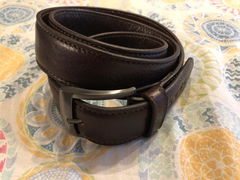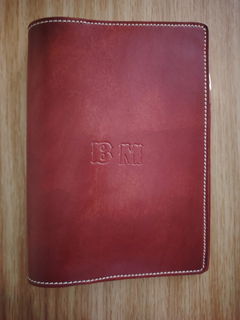






We work exclusively with vegetable-tanned leather using natural tannins found in plants.
This type of processing takes place very slowly in wooden drums, ensuring a low environmental impact and the absence of substances toxic to humans.
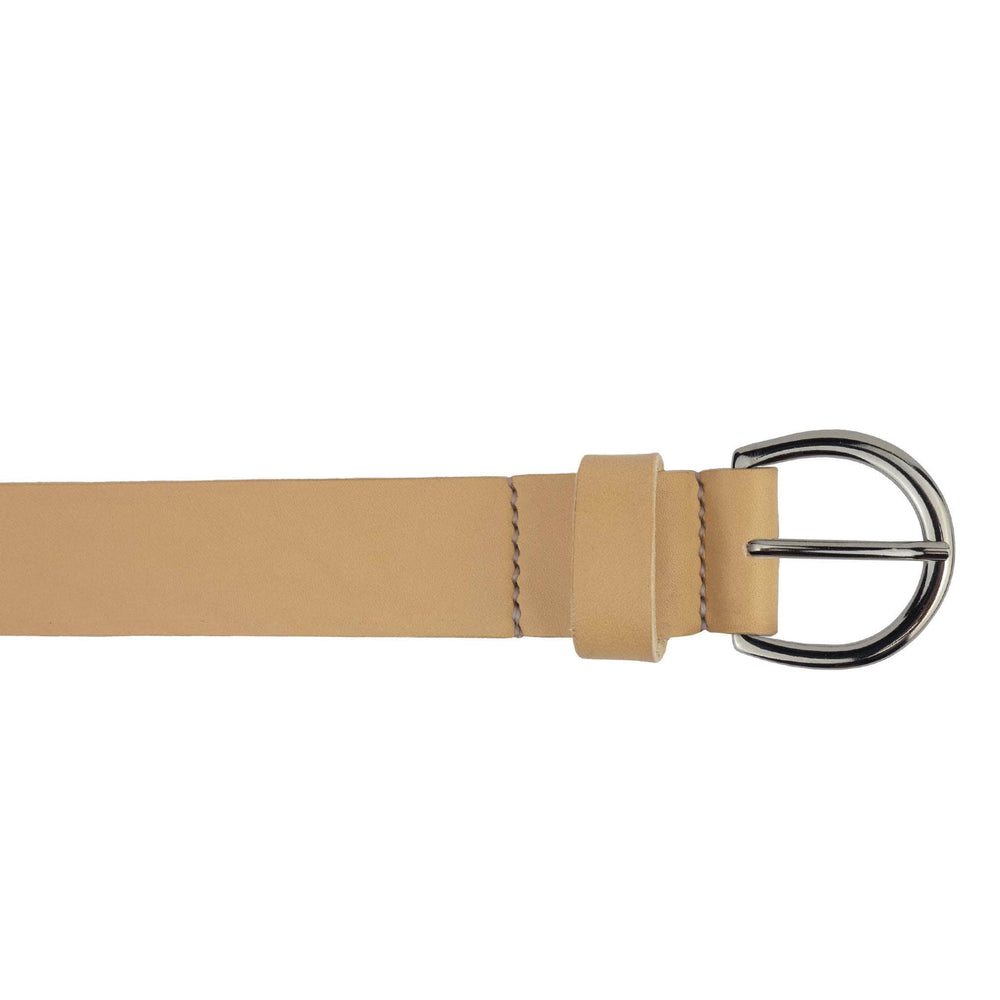
Specifically, for belts, we use bull's rump, the most valuable part of the animal.
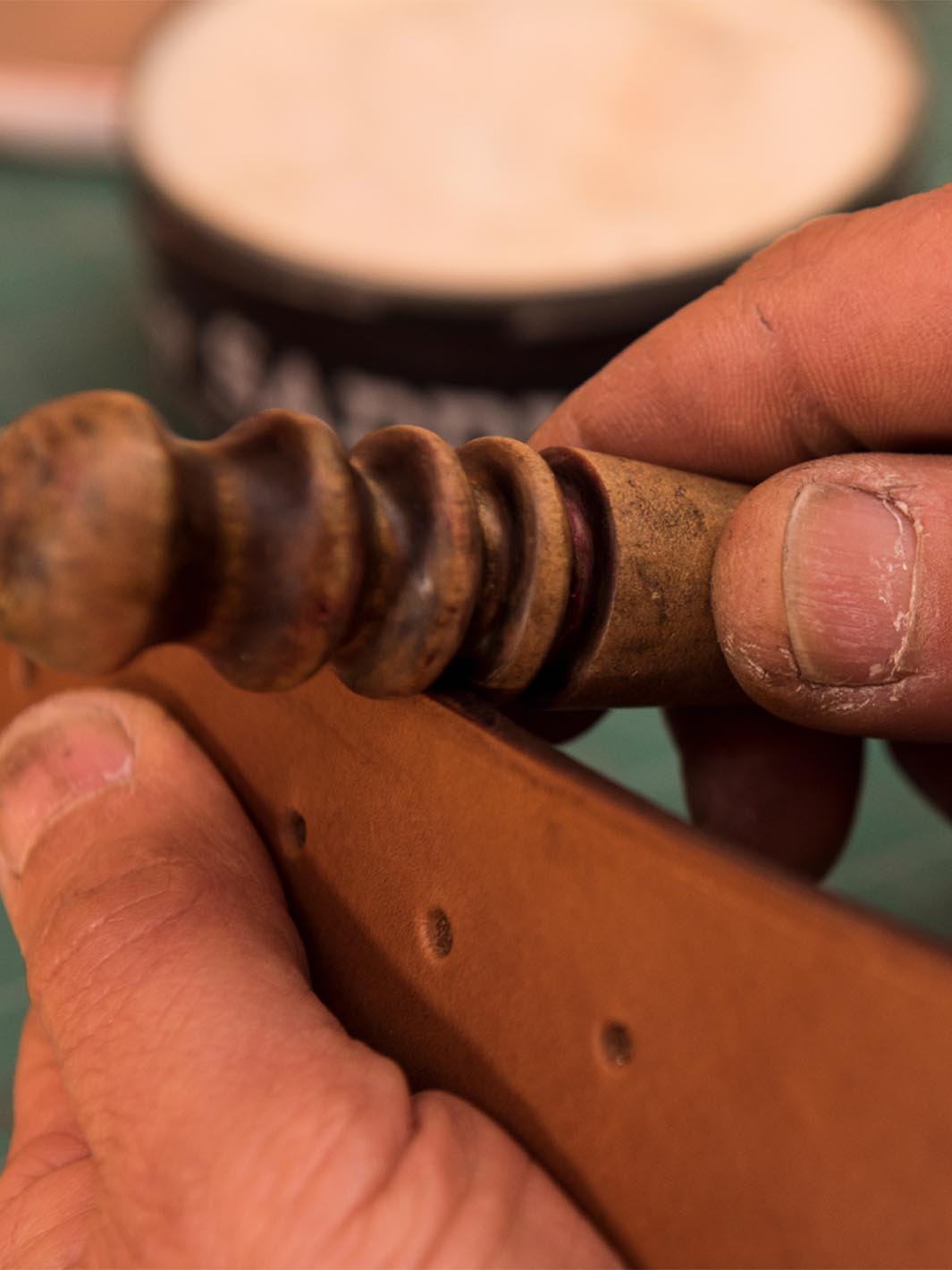
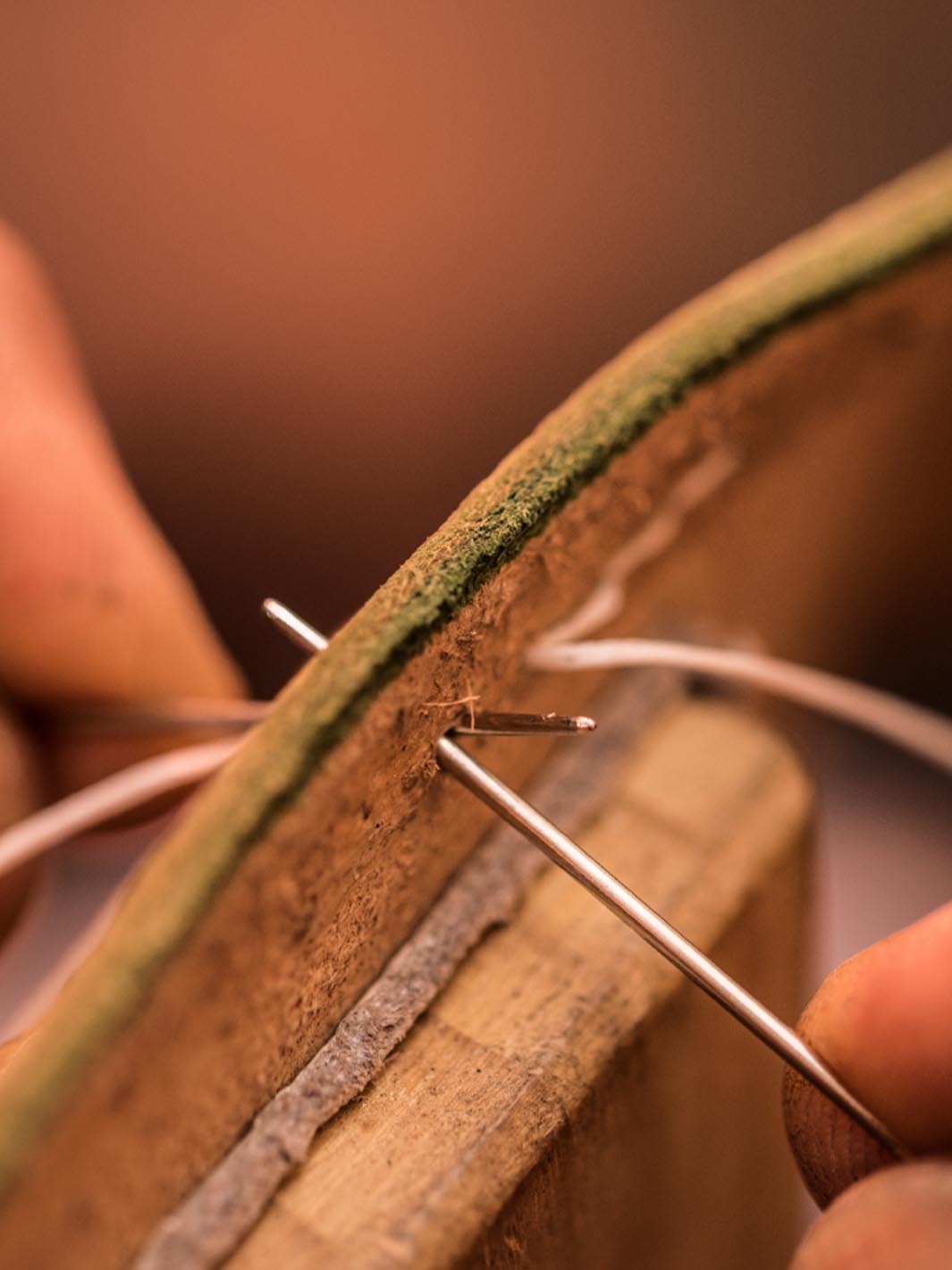
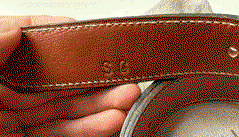
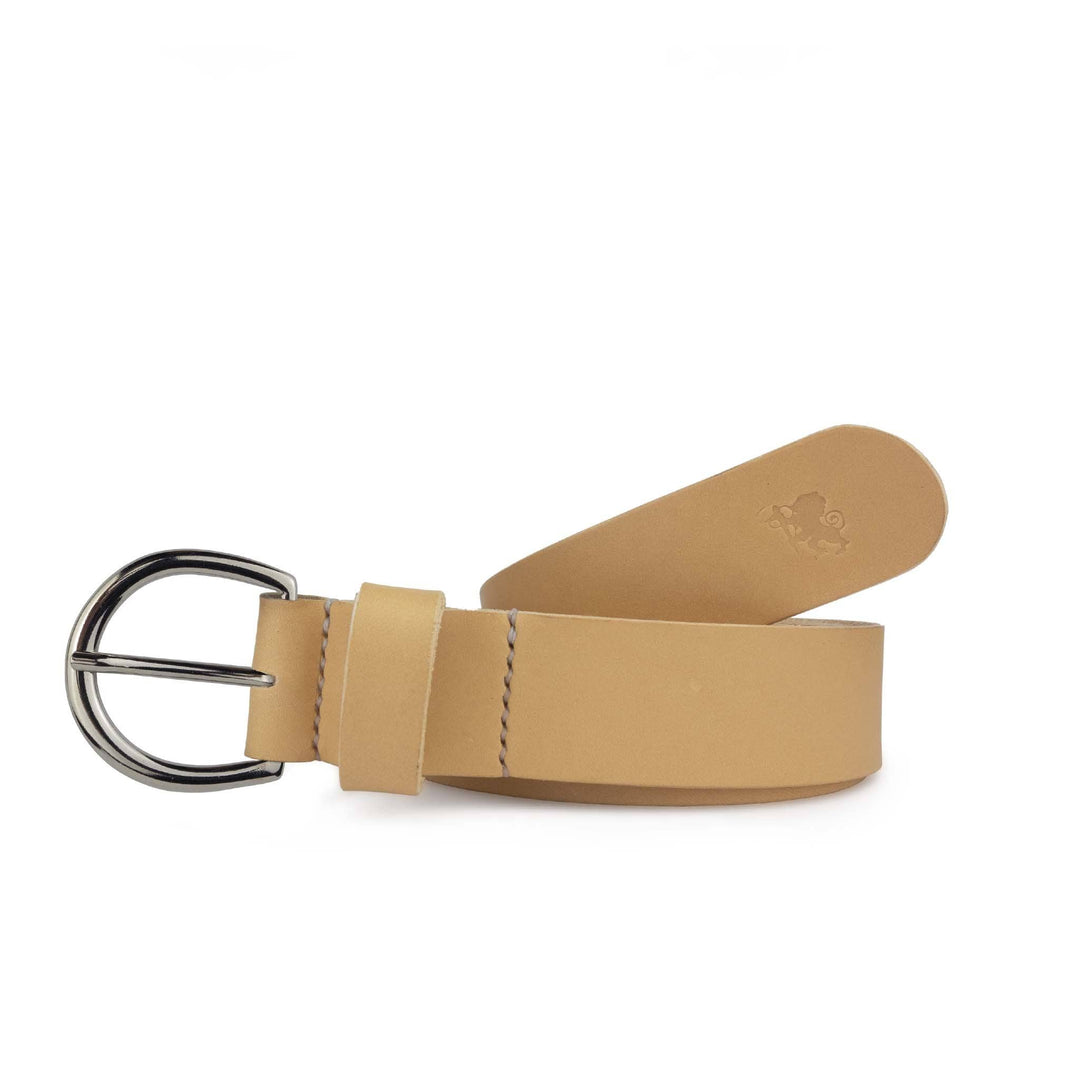
Every stitch is hand-sewn with waxed thread, without the aid of machinery.
In addition to having a unique charm, hand-stitching provides unparalleled durability.
Unique pieces
Handmade for you
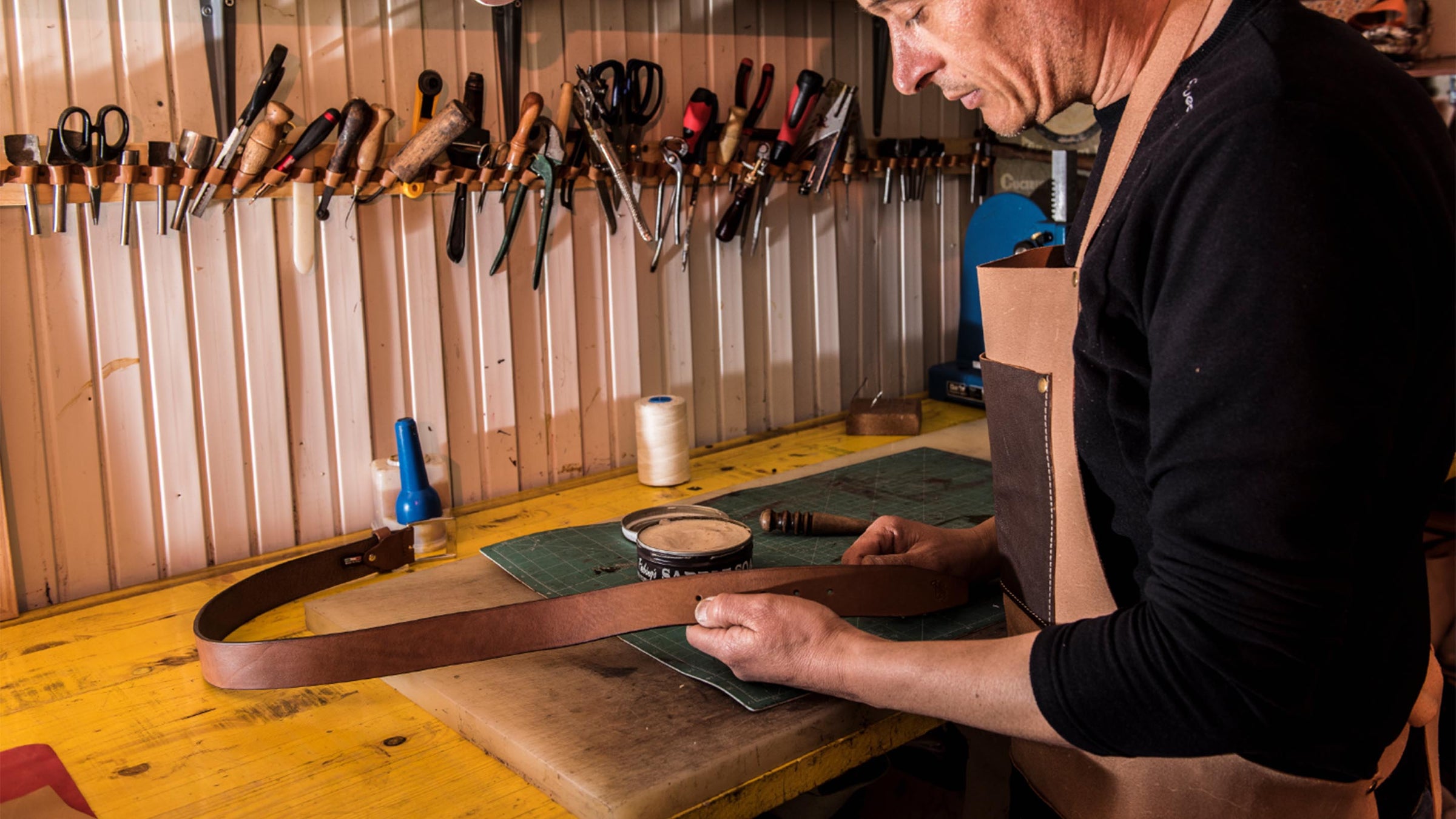
Our full-grain leather belts are entirely handmade, ensuring greater durability and a uniqueness that distinguishes each individual piece.
From cutting the pattern to the final polishing.
Therefore, every imperfection is a sign of the product's craftsmanship.
Our leathers come exclusively from Tuscan tanneries and have the relevant certification.
Vegetable-tanned leather and hide are essentially the same thing.
By "pelle" (leather) we mean the entire macro-category of leathers, including all types of tanning. "Cuoio" (hide), on the other hand, refers exclusively to vegetable-tanned leather.
In our workshop, you will only find vegetable-tanned full-grain leather and hide.
Calfskin leather belts are suitable for formal and elegant attire, while bull hide belts are for a casual and informal look.
Belts are created within 2 business days of ordering and shipped by 48-hour express courier.
To find out your exact size, you can read our size guide.
Our belts are hand-stitched with waxed thread to make them indestructible. Therefore, to be shortened, they would need to be unstitched and then re-stitched by hand by a shoemaker/leather craftsman.
The grain is the top layer of the leather, the part we see when we buy a bag, wallet, etc.
There are three types of grain:
🔸 Full grain: This is the most valuable type as it has not undergone any processing that alters its appearance. The grain remains natural and intact, thanks also to the non-covering finish. To work full-grain leather, it is essential that the animal has no scars or particular marks that would reduce its value. For this very reason, ensuring the animal's well-being is crucial! Only about 15% of leathers manage to achieve this characteristic, which is why the cost is higher.
🔸 Top grain: Unlike full grain, the finish used here is more covering, such as one with pigments. However, we are still talking about first-choice leather!
🔸 Corrected grain: In this leather, the surface layer is processed to reduce defects and marks. Stamped leathers or those with a very covering finish fall into this category.