




Marcus Nickel-Free Leather Belt for Men
- Soft vegetable-tanned calfskin
- Nickel-free Stainless Steel Buckle
- Leather padding

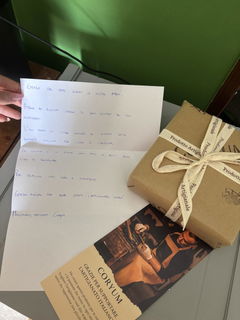
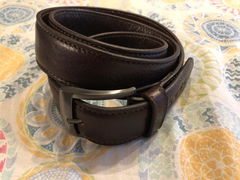
Si sente e si odora che è fatta a mano con amore. È piaciuta a tutti. Un grazie all'artigiano che produce queste cinture conciate al tannino (concia al vegetale che è anallergico) e che offre fibbie senza nichel e cromo al quale io ho una grave allergia cronica.
- Free Returns
- Carbon-neutral express shipping
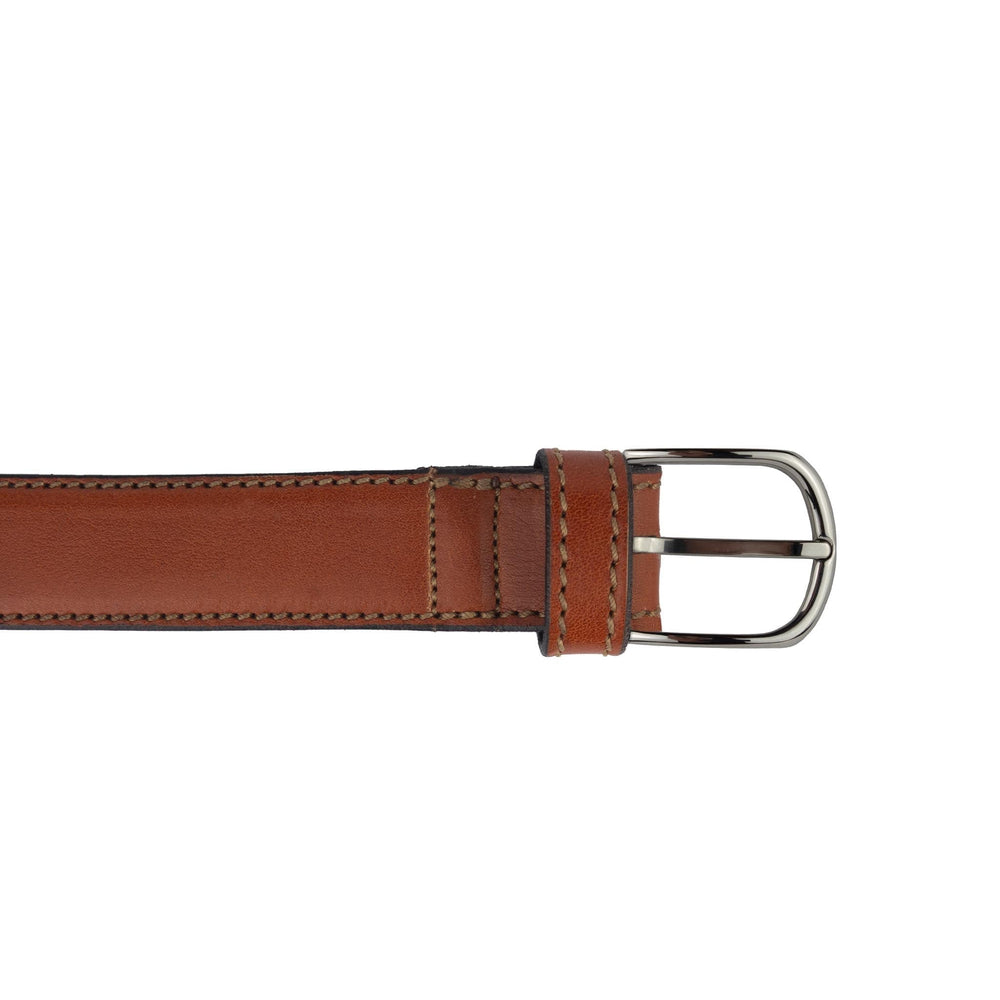
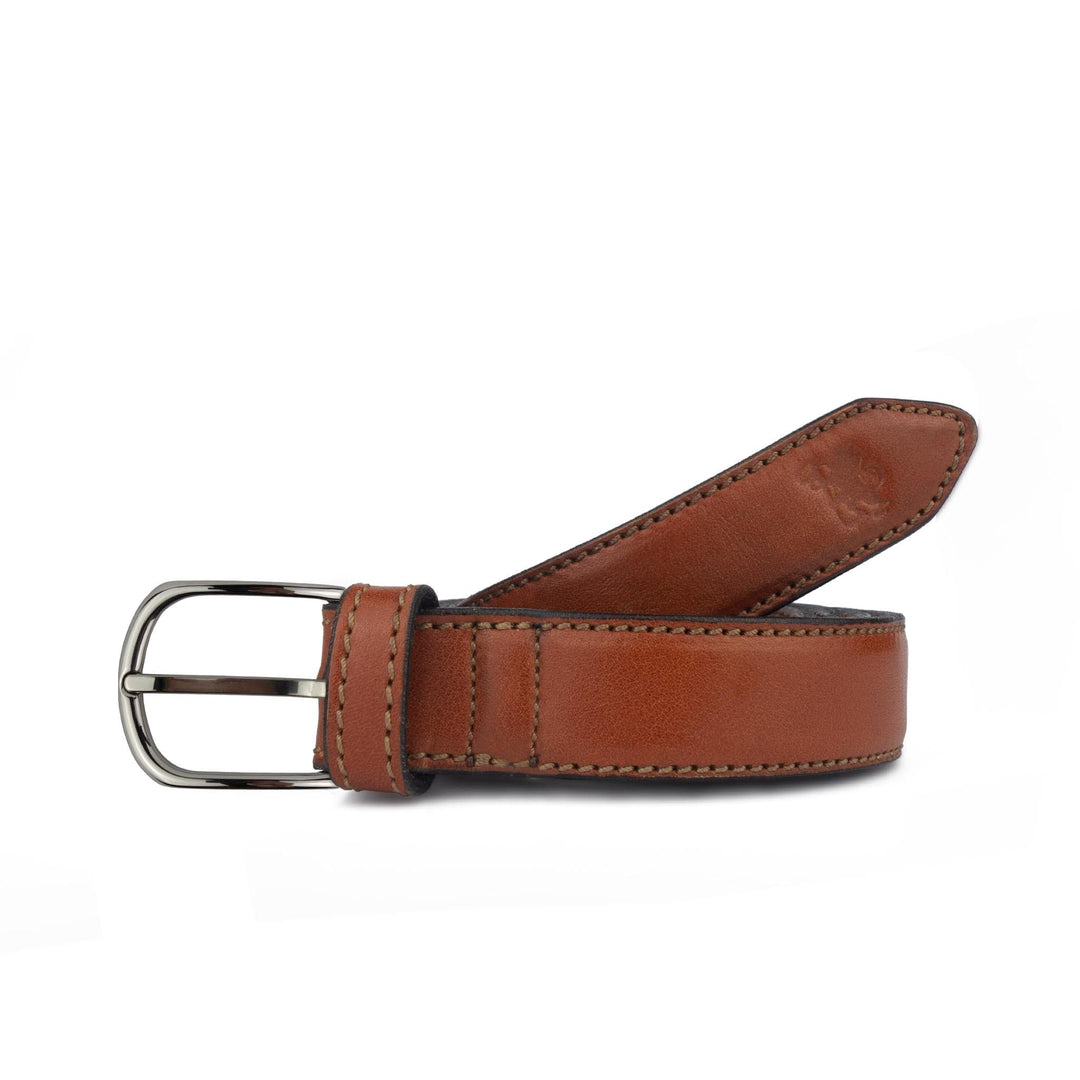
Marcus nickel-free leather belt
The classic "Marcus" men’s belt is made in genuine full-grain calfskin with a hypoallergenic, nickel-free buckle 3.5 cm wide with a semi-gloss finish. The leather is vegetable-tanned, so both the buckle and the strap are safe for skin that reacts to nickel or to chrome-tanned leather.
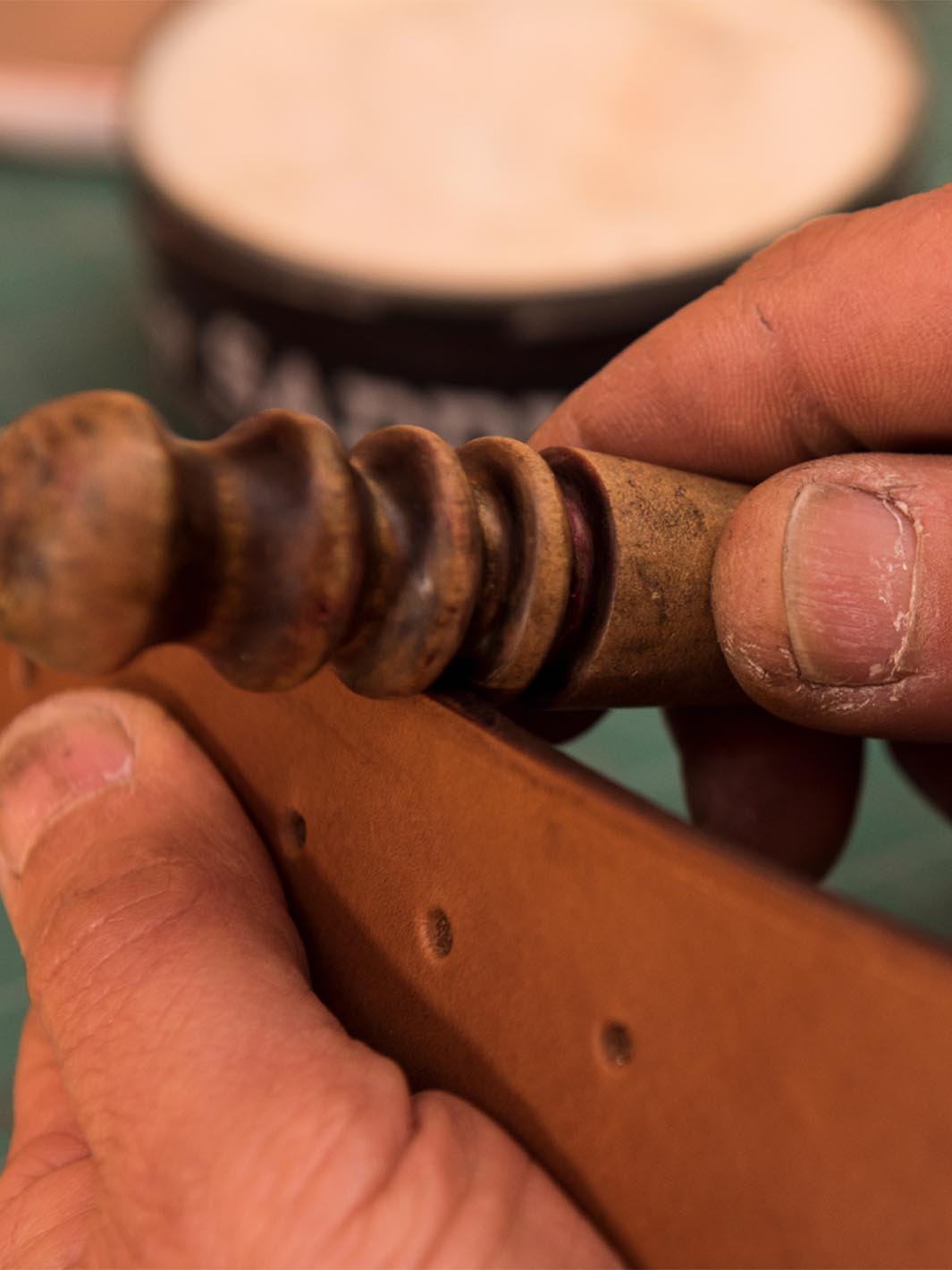
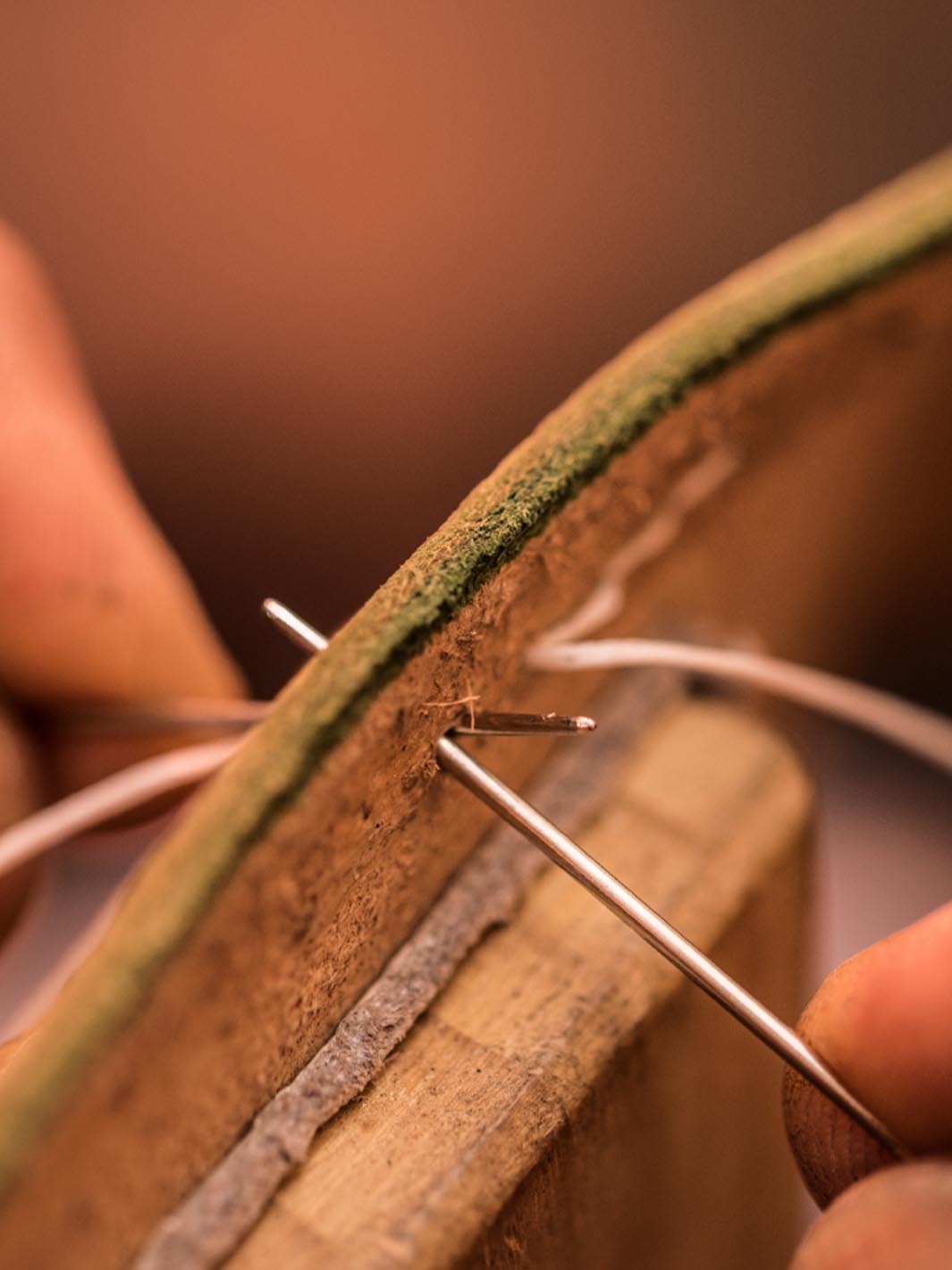
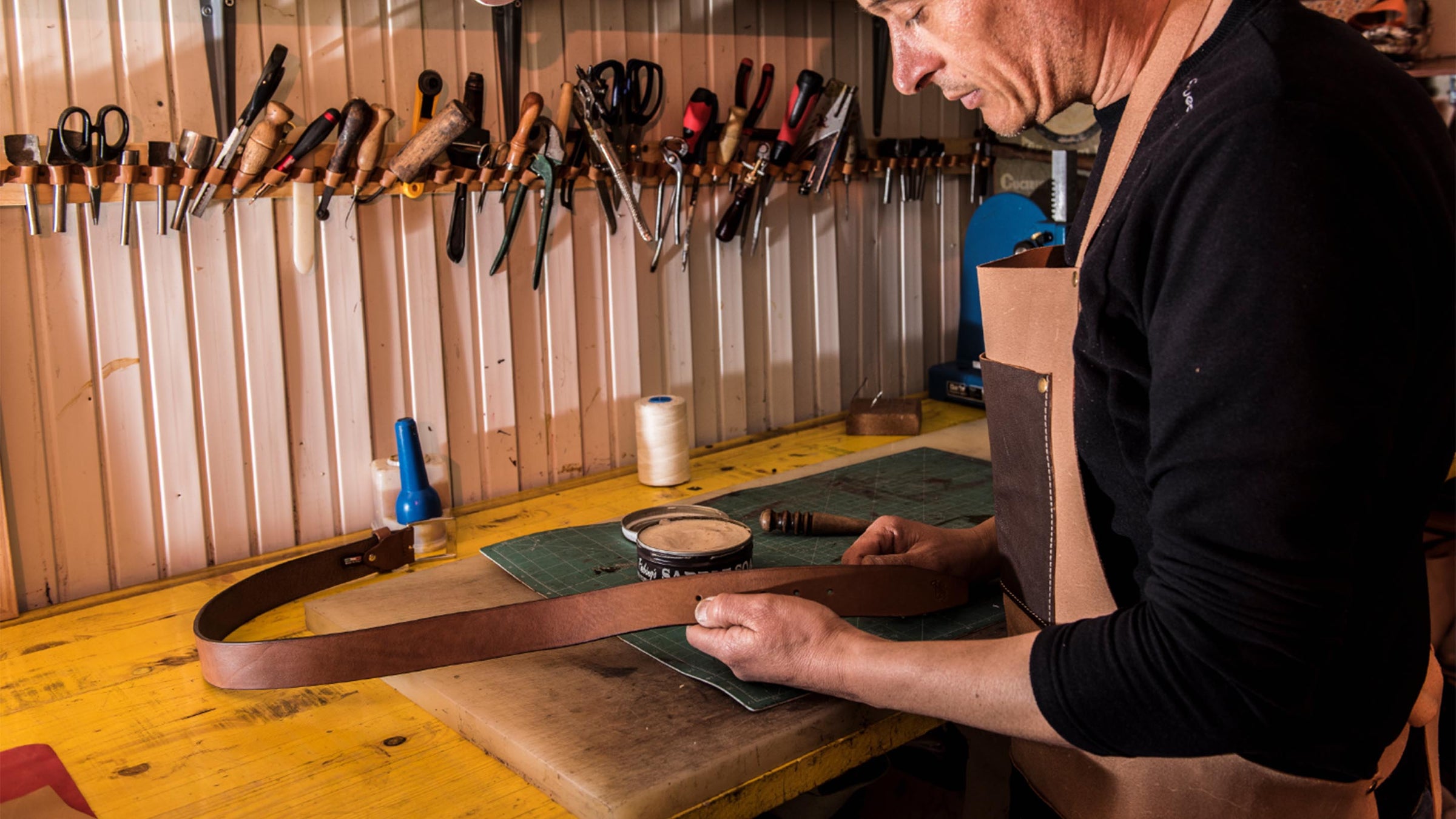
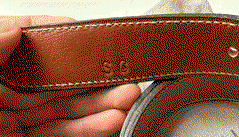
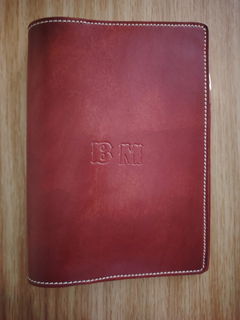
The nickel-free buckle is handmade in Italy and baked at 160 degrees for lasting wear. You can personalize the belt with a hand-engraved name or initials, and every piece is made by hand in our workshop in Cerveteri, so no two are exactly alike.
Need to know exactly which belt length to choose?
Our first tip is to measure an old belt: starting from the buckle, find the total length of the belt, keeping it pulled taut.
Please note: the measurements shown on our site include the belt buckle.
Otherwise, you can use your waist measurement and follow these three steps:
- take a tailor’s measuring tape;
- measure your waist, or the point where you usually wear your belt;
- then find the matching size in the table.
Please note: the measurements of our men’s leather belts shown on the site include the buckle.
| Size | Waist | Belt length |
| 40/42 | 85 cm | 105 cm |
| 44/46 | 90 cm | 110 cm |
| 48/50 | 95 cm | 115 cm |
| 50/52 | 100 cm | 120 cm |
| 52/54 | 105 cm | 125 cm |
| 54/56 | 110 cm | 130 cm |
| 56/58 | 115 cm | 135 cm |
| 58/60 | 120 cm | 140 cm |
| 60/62 | 125 cm | 145 cm |
| 62/64 | 130 cm | 150 cm |
| 64/66 | 135 cm | 155 cm |
Shipping methods in Italy: within 24 working hours of order fulfillment with express courier (3 working days).
Shipping costs in Italy: €6.9.
Order fulfillment times: maximum 3 working days. Personalized products may take longer.
Returns: free
International shipping methods: express courier.
International delivery times: vary depending on the destination.
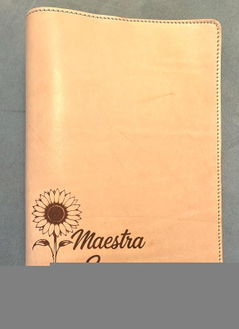
We can customize the belt with laser engravings of designs or text. For any information or request, you can contact us by email or through our social media pages.